


In Burundi, many children with motor disabilities face daily barriers to mobility, education, and social inclusion. These challenges often lead to isolation, delayed development, and limited opportunities.
Created in 2023 (formerly Association Nganinka), Bridges to Inclusion believes that physical disability should never be a barrier to a child’s dignity or future. Through assistive technologies, family support, and advocacy, we implement practical solutions that enable children to thrive and fully participate in their communities
A world where every child with a motor disability can live with dignity, independence, and equal opportunity.
To promote accessibility, mobility, and well-being for children living with disabilities through assistive technologies, family support, community engagement, and advocacy for their rights.
We identify each child’s specific needs to provide appropriate solutions...
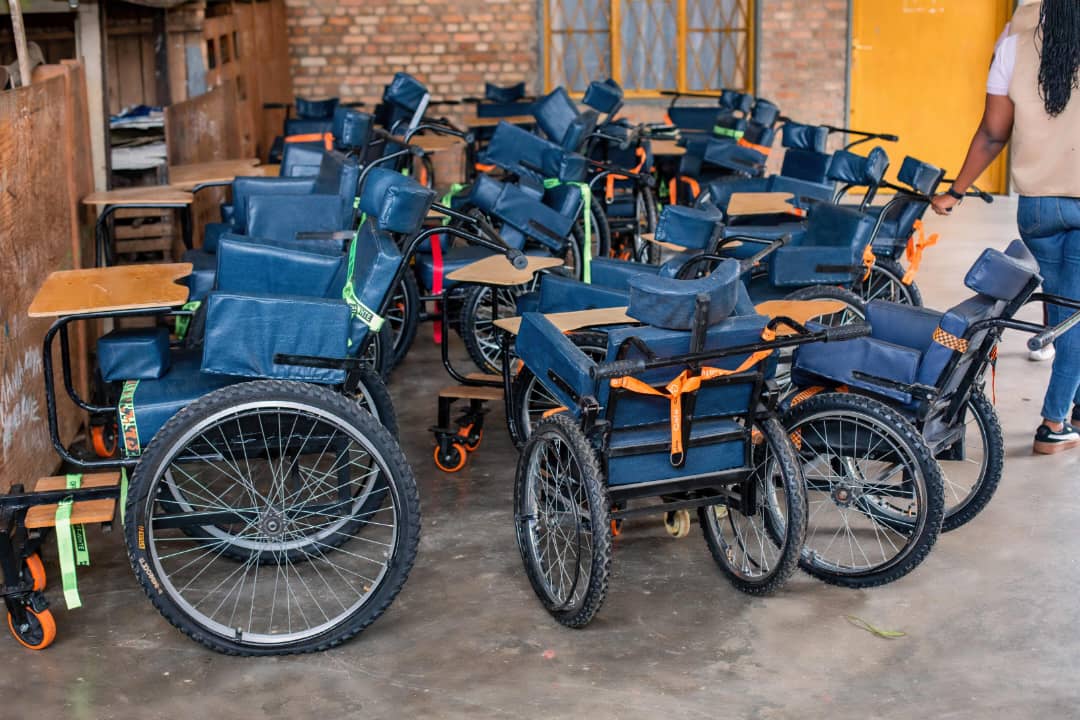
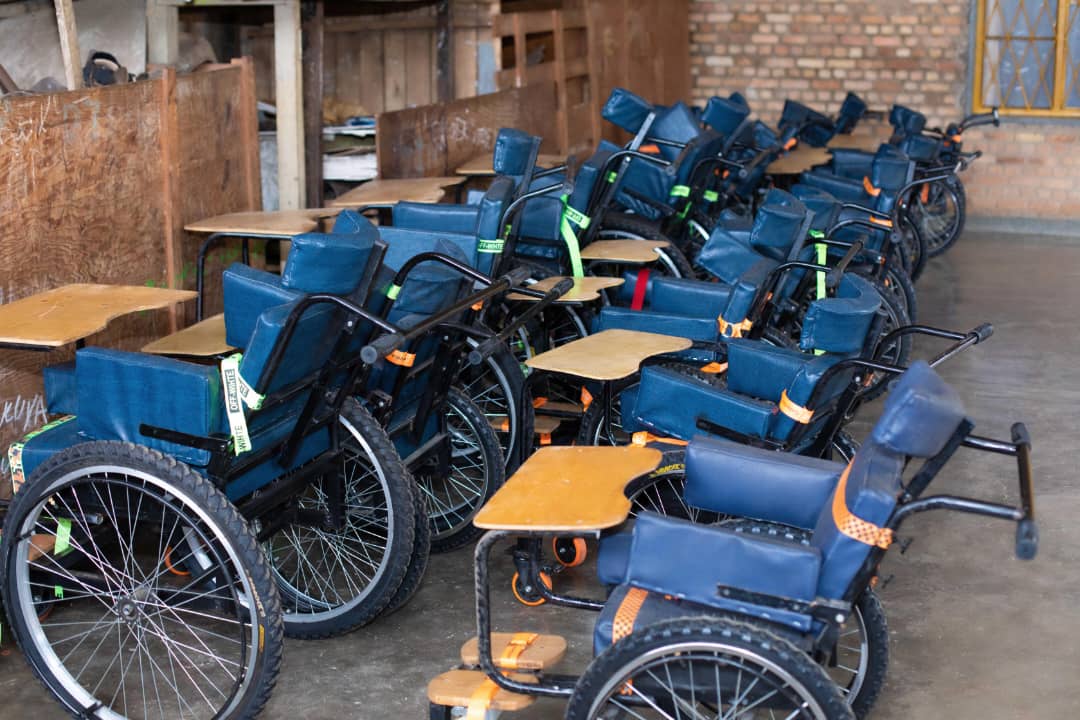
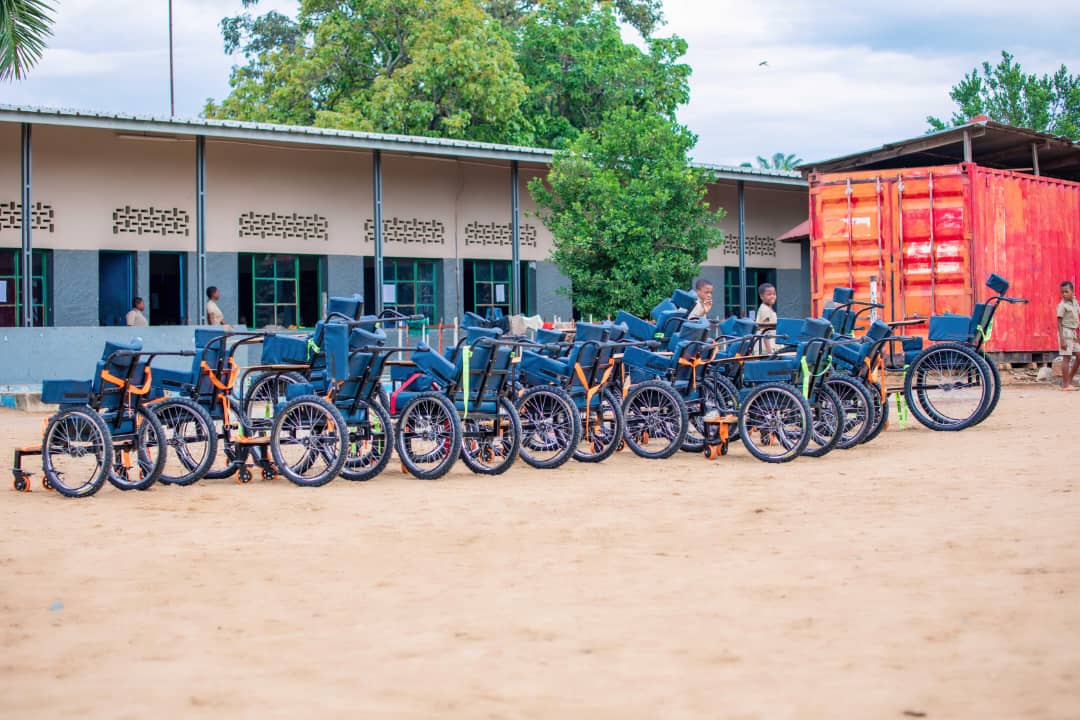
We collaborate with specialized partners to design, source, and distribute appropriate assistive ...
We provide technical guidance and training to families on how to use, maintain, and care for...
We offer psychosocial accompaniment to families to strengthen coping mechanisms...
We conduct advocacy actions to promote the recognition, protection, and advancement of the rights of...
We build partnerships and mobilize resources to strengthen the sustainability...
To facilitate access to mobility, accessibility, and well-being for children living with disabilities through the distribution of adapted assistive technologies, technical support, and advocacy for their rights.
No WhatsApp Number Found!
WhatsApp us
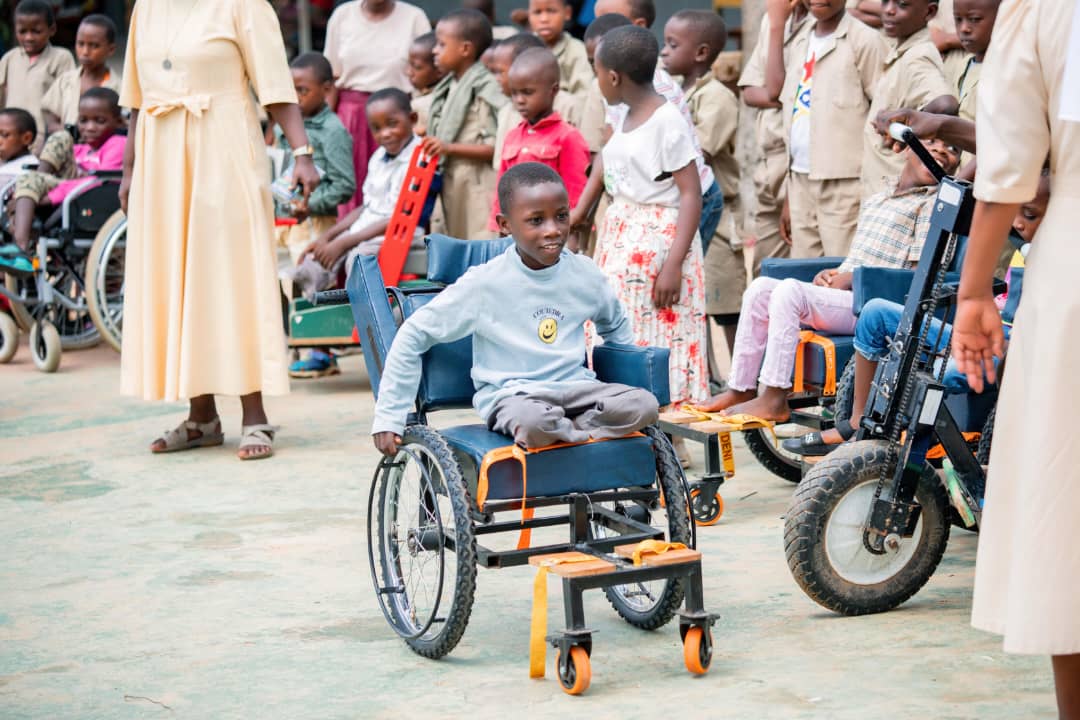
Meet Daniel, a cheerful ten-year-old boy, lost his mobility shortly after birth due to illness. His mother, overwhelmed by stigma and discrimination from neighbors, kept him hidden at home for years before bringing him to the Isange Center, a home for children with disabilities.
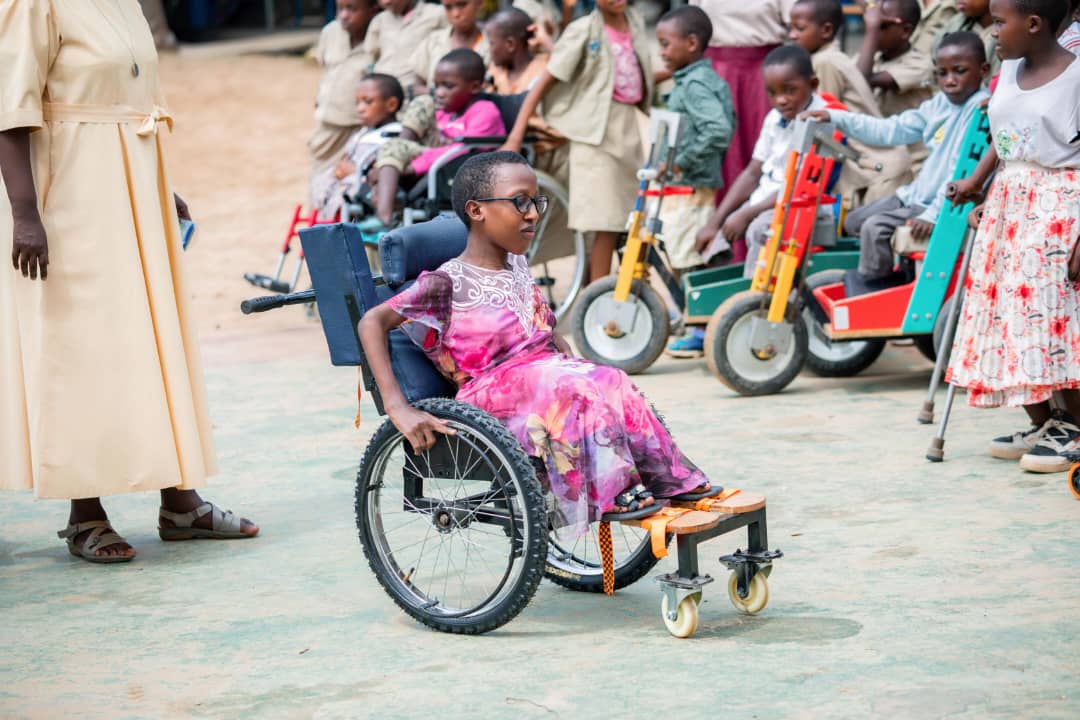
At the center, Daniel found stability, but his life truly changed when he received a Nganinka wheelchair. Previously dependent on being carried or moving on the ground, he can now move freely, play with other children, and access healthcare more easily.
Daniel’s story shows how mobility can transform a child’s life—bringing independence, connection, and new opportunities for a brighter future